

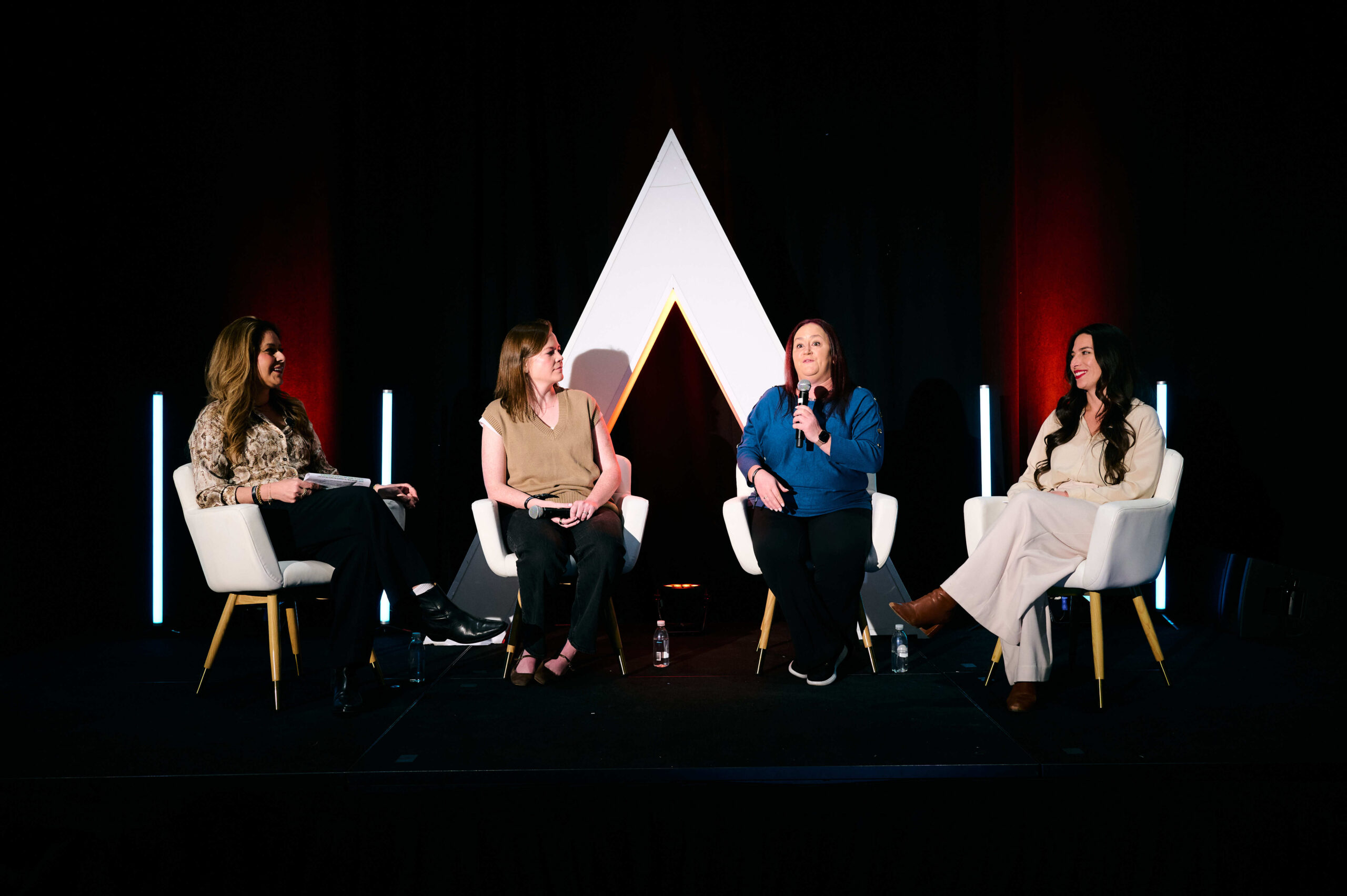
At Affiliate Summit West, one theme came through loud and clear: the traditional lines between PR, affiliate, and performance marketing no longer hold.
As AI-driven discovery reshapes how consumers research, compare, and make a purchase, editorial content is no longer just a brand-building exercise. It’s becoming a measurable, scalable driver of performance when brands are set up to activate it properly.
Across our portfolio of more than 230 brands globally, we’re seeing growing success where teams bring real synergy between PR, social, and affiliate — rather than running them in isolation.
This is where performance PR comes into play. Not PR with links, and not affiliate dressed up as brand spend, but an approach to earned media built for a new editorial era. As trusted publisher content increasingly informs AI-driven discovery and shapes how categories are framed, performance PR focuses on influencing those early moments and connecting them to measurable downstream impact through the affiliate channel.
For brands, the result is greater influence over how they are discovered, understood, and ultimately chosen.
AI-driven discovery now happens earlier than search ever did. Consumers are increasingly describing problems, needs, and aspirations directly to large language models (LLMs) often before they know what product they’re looking for or which brand. According to eMarketer, more than half of U.S. consumers already use LLMs to conduct shopping research. In those moments, AI isn’t creating new opinions; it’s synthesising what already exists across trusted, high-quality content ecosystems.
That has two important implications for brands:
This is why upper-funnel editorial content has surged back into focus – not as a “nice to have,” but as a strategic lever for AI-era visibility, with affiliate playing a crucial role.
Historically, PR and editorial have sat firmly on the brand side of the house, while affiliate has been evaluated almost exclusively on last-click performance.
That split no longer reflects reality. When editorial content informs LLMs and LLMs inform consumer decision-making, earned media becomes part of the performance infrastructure, even if it doesn’t convert immediately.
Performance PR is the mindset shift required to operate in this environment. It means treating editorial content as an upper-funnel performance driver rather than a passive awareness play, recognizing its role in shaping discovery, problem definition, and category framing long before a consumer is ready to convert. It also means valuing influence in early decision moments, not just direct conversion. Affiliate becomes the connective tissue that links brand storytelling to measurable outcomes, bringing PR, content, and partnerships together as one accountable growth engine.
We’ve seen brands unlock meaningful gains when they stop asking, “Did this article convert?” and start asking, “How is this content shaping discovery, consideration, and downstream efficiency?”
In an increasingly zero-click environment, performance can’t be defined solely by who captures the last click. As AI systems synthesize answers directly from editorial content, the brands that are cited effectively “win” the interaction even when no immediate click occurs. One implication of this shift is that traditional CPC is starting to lose relevance, particularly for publishers. Over time, I expect to see a meaningful reframe from cost per click to cost per citation, where being referenced by trusted editorial voices becomes a measurable indicator of performance. Performance PR recognizes that these citations are not passive mentions, but signals of influence that shape discovery and category perception long before traditional attribution models register impact.
The biggest blocker we see isn’t a lack of budget or ambition; it’s internal structure.
PR, traditional media, affiliate, and growth teams often operate in isolation with separate calendars, budgets, and publisher relationships.
From the outside, the brand may be investing heavily in a publication. Internally, those investments are rarely viewed holistically.
When brands break down those silos, several things happen quickly:
When affiliate teams have visibility into broader brand spend, minimums become more flexible, flat fees can be reduced, and hybrid editorial-commerce packages become viable.
We’ve seen brands secure stronger placements and better economics simply by allowing teams to collaborate, not by increasing spend.
A consistent message and voice across PR, editorial, and affiliate channels strengthen brand equity and engage consumers as needs emerge, reaching them where they are.
AI has changed where discovery starts, but it hasn’t changed the fundamentals of how brands grow.
Rather than waiting for AI-era measurement to mirror yesterday’s attribution models, the brands building advantage today are taking a more practical approach. They’re rethinking how teams work together and how success is defined upstream.
Instead of asking PR, affiliate, and performance teams to justify themselves in isolation, leading brands are aligning them around a shared objective: influencing discovery early and making downstream channels work harder as a result.
In practice, that means a few concrete shifts:
Performance PR isn’t a future concept. It’s already reshaping how leading brands approach growth, and it starts by breaking down the silos that no longer reflect how consumers discover, decide, or buy.
At Acceleration Partners, we work with over 230 brands globally to help them navigate these shifts – not by chasing trends, but by building integrated, performance-led strategies that reflect how consumers actually discover and decide today.